
Physical Wellness in the age of Artificial Intelligence
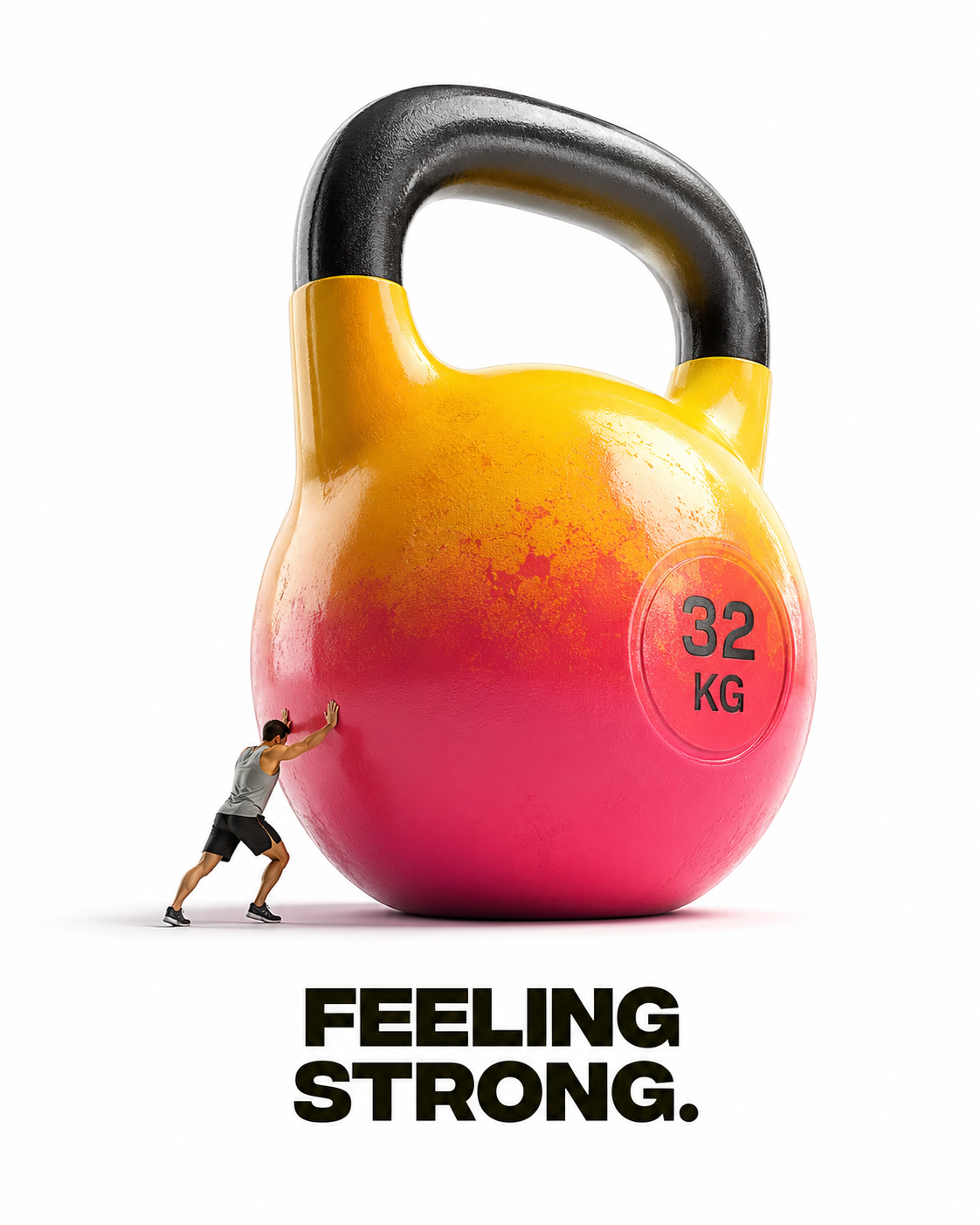
Does getting a diagnosis from AI help or hurt you?
AI in the medical world has been making tremendous progress over the past few years, and now even outperforms human’s in different ways including diagnosing patients based on their unique data input and compared against the models learning. This is amazing when it comes to diagnosing infectious diseases or other challenging concepts, but when it comes to the majority of things physical therapists treat, often not having a condition is a better
And that’s where things get tricky.
The Double-Edged Sword of AI Diagnosis
Artificial intelligence is incredibly powerful at pattern recognition. Feed it enough data—symptoms, imaging findings, prior cases—and it can generate a list of possible diagnoses faster (and sometimes more accurately) than a human clinician.
But here’s the catch:
AI is designed to label.
And in musculoskeletal health, labels aren’t always helpful.
In fact, they can sometimes make things worse.
When a Diagnosis Helps… and When It Doesn’t
There are absolutely situations where a diagnosis is critical:
Serious pathology (fractures, infections, tumors)
Progressive neurological conditions
Post-surgical care
In these cases, AI can be a huge asset—helping catch things early and guiding appropriate care.
But most people who walk into a physical therapy session aren’t dealing with those issues.
They’re dealing with things like:
Low back pain
Neck stiffness
Shoulder irritation
Knee discomfort with activity
And here’s the truth:
👉 These symptoms often don’t correlate cleanly with a specific structural “problem.”
The Problem with Over-Diagnosis
When AI (or imaging, or even a well-meaning clinician) assigns a specific label—like:
“Degenerative disc disease”
“Torn meniscus”
“Rotator cuff tear”
…it can unintentionally create fear.
Because now it sounds like something is:
Broken
Damaged
Worn out
But research consistently shows that many of these findings are normal age-related adaptations, not necessarily the cause of pain.
Plenty of people with “abnormal” MRIs have zero symptoms.
And plenty of people in pain have completely “normal” imaging.
So what happens when AI gives you a diagnosis?
You may start to:
Move less
Avoid activity
Interpret normal sensations as dangerous
Identify with the diagnosis instead of your capabilities
And that’s where recovery can slow down.
A Better Question: “What Can I Do?”
At Focused Physio, we shift the conversation.
Instead of asking:
“What’s wrong with me?”
We focus on:
“What can I do right now—and what’s my next step forward?”
Because your body is:
Adaptable
Resilient
Designed to move
And most musculoskeletal pain responds best to:
Gradual loading
Movement variability
Strength development
Confidence-building through activity
Not just a label.
Where AI Can Be Powerful
This isn’t anti-AI.
In fact, AI has incredible potential in physical therapy:
Personalizing exercise programs
Tracking movement patterns over time
Identifying trends in recovery
Supporting clinical decision-making
But it works best when it’s paired with:
👉 Human context
👉 Clinical reasoning
👉 Individual goals and preferences
Because no algorithm fully understands:
Your lifestyle
Your stress levels
Your movement history
Your goals (running, lifting, playing with your kids)
The Takeaway
AI can give you answers.
But better outcomes come from asking better questions.
If you’ve used AI (or Google, or imaging) and now feel more confused or concerned about your body—you’re not alone.
And more importantly:
You’re probably not broken.
You just need a plan.
At Focused Physio, we help you move well, feel strong, and stay focused—without getting stuck in unnecessary labels.
If you’re dealing with pain or trying to get back to doing what you love, reach out. Let’s build a plan that works for you.
As always…Move Well. Feel Strong. Stay Focused!
-Jason