
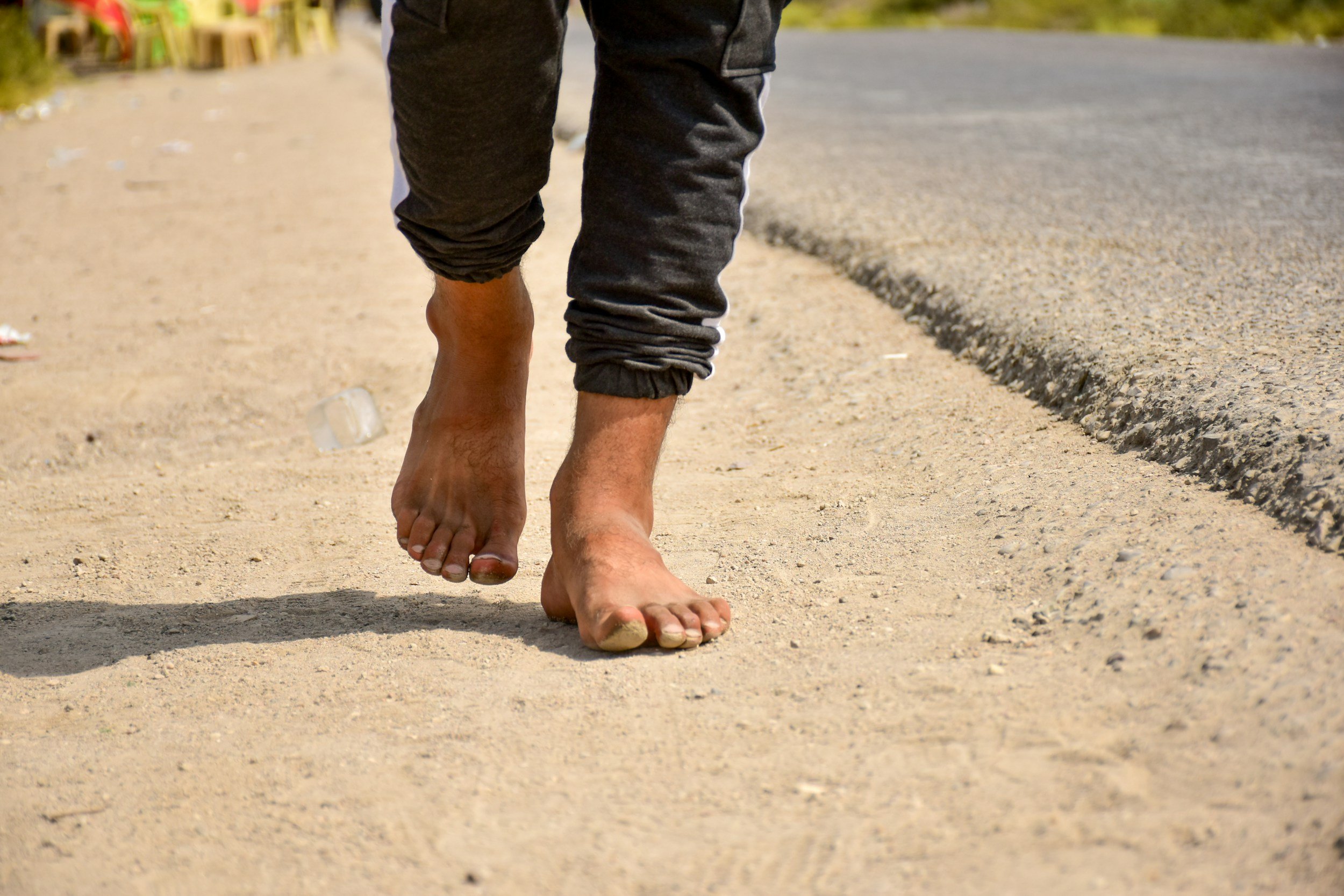
Physical Therapy for Plantar Fasciitis
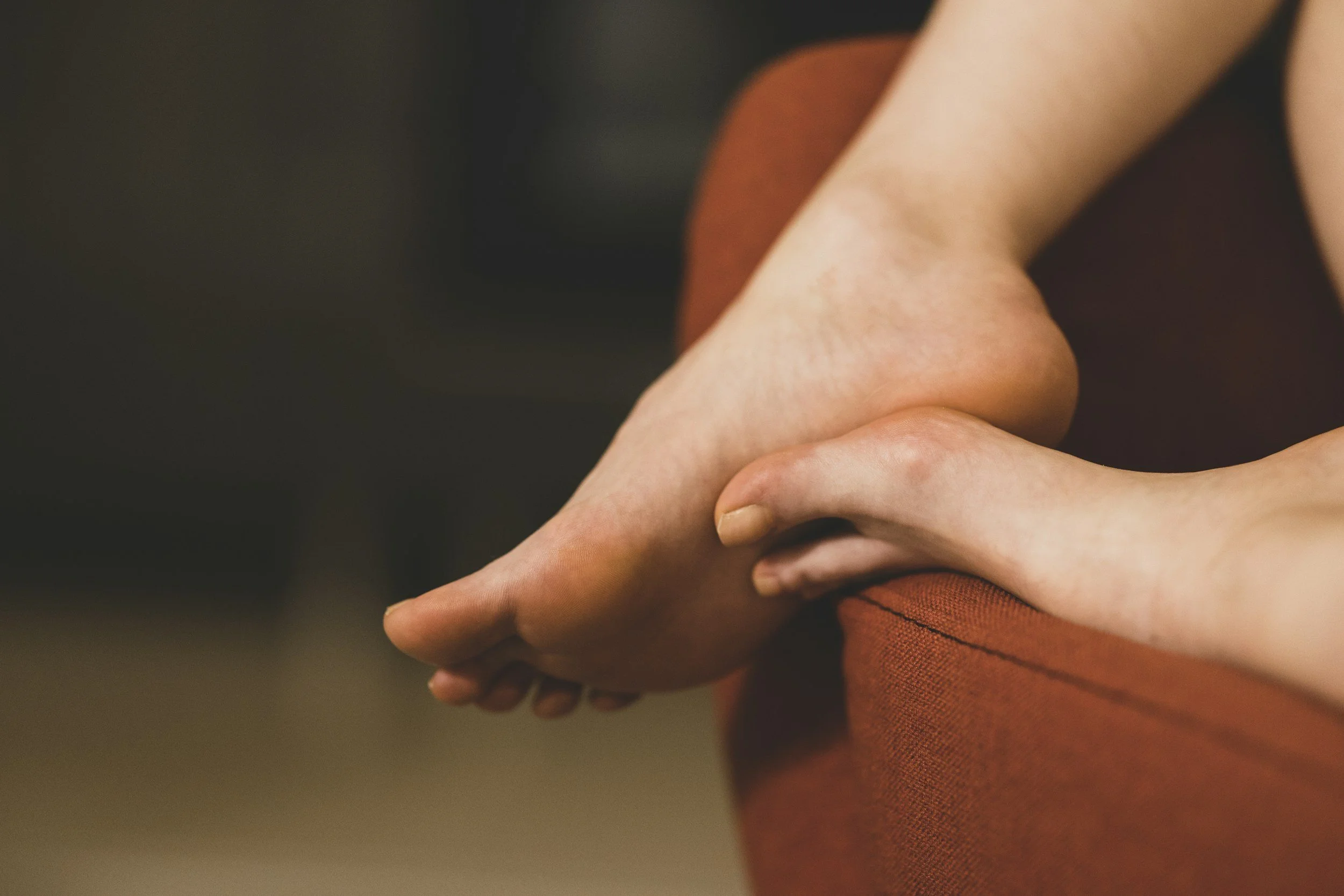
Heel pain does not have to run your day
That first step out of bed should not feel like stepping on a knife.
If you have plantar fasciitis, heel pain, or arch pain, you may feel okay once you get moving, only for the pain to return after standing, walking, running, or sitting for a while. You may have already tried stretching, changing shoes, rolling your foot on a ball, or avoiding activity, but the pain keeps coming back.
At Focused Physio, we help people in South Orange, Maplewood, and nearby New Jersey communities understand what is driving their heel pain, calm symptoms, build foot and ankle strength, and return to the activities they care about.
The goal is not just to get you through the next morning. The goal is to help your foot tolerate life again.
What Is Plantar Fasciitis?
Plantar fasciitis is one of the most common causes of heel pain. It involves irritation of the plantar fascia, a thick band of tissue along the bottom of the foot that helps support the arch and absorb load when you stand, walk, run, and push off. It often causes pain near the bottom of the heel and is commonly worse with the first steps in the morning or after periods of rest.
Although the name includes “fasciitis,” which suggests inflammation, many cases are more about tissue sensitivity, load tolerance, stiffness, and capacity. In plain English: your foot is being asked to handle more than it is currently prepared to tolerate.
That is where physical therapy can help.
Common Plantar Fasciitis Symptoms
You may have plantar fasciitis if you notice:
Sharp heel pain with the first steps in the morning
Pain on the bottom of the heel
Arch pain or tightness
Heel pain after standing for a long time
Pain after walking, running, or exercising
Pain after sitting and then standing up again
Stiffness through the foot, calf, or Achilles
Symptoms that feel better once you move but return later
Difficulty walking barefoot on hard floors
Pain that makes you change how you walk
Plantar fasciitis often hurts most when the tissue is loaded after rest, which is why the first few steps in the morning can feel especially painful. AAOS describes classic symptoms as pain on the bottom of the foot near the heel, pain with first steps after getting out of bed, and pain after activity rather than usually during activity.
Why Plantar Fasciitis Happens
It is usually not one single thing
Plantar fasciitis is often blamed on “bad shoes,” “flat feet,” “high arches,” or “tight calves.” Those things may play a role, but they are usually not the whole story.
Heel pain often develops when the demand on the foot increases faster than the foot, ankle, calf, and lower leg can adapt.
Common contributors include:
Sudden increase in walking, running, or standing
Starting a new workout program
More time barefoot on hard floors
Unsupportive or worn-out shoes
Tight or sensitive calves
Limited ankle mobility
Weakness in the foot, calf, or hips
Increased running mileage
More hills, speed work, or impact activity
Long workdays on your feet
Returning to exercise after time off
Carrying more load than usual
Changes in body weight, sleep, stress, or recovery
Cleveland Clinic describes plantar fasciitis as commonly related to overuse or too much stress on the feet, and physical therapists often help by addressing load, mobility, strength, and walking or running tolerance.
Plantar Fasciitis Is a Load Tolerance Problem
Your foot needs the right amount of stress
A common mistake with plantar fasciitis is doing one of two extremes:
You either keep pushing through pain and hope it goes away, or you stop everything and wait for it to disappear.
Both approaches can backfire.
If you keep overloading the foot, symptoms may stay irritated. But if you completely rest, your pain may calm down temporarily while your foot stays underprepared for walking, running, standing, or exercise.
Physical therapy helps bridge that gap.
We help you find the right amount of loading: enough to build capacity, not so much that you keep flaring things up.
Can Physical Therapy Help Plantar Fasciitis?
Yes. Physical therapy is one of the most useful first steps for heel pain.
Physical therapy can help reduce pain, improve walking tolerance, restore confidence, and address the strength, mobility, and loading factors that contribute to plantar fasciitis. ChoosePT notes that physical therapists help people with plantar fasciitis reduce pain and restore walking ability.
A good plantar fasciitis plan should be more than a sheet of generic stretches. At Focused Physio, we look at the full picture: your foot, ankle, calf, hip strength, walking, running, footwear, work demands, exercise routine, and daily life.
How Focused Physio Treats Plantar Fasciitis
1. We identify what is irritating your heel
We start by learning when your pain shows up, what makes it better, what makes it worse, and what you need to get back to.
We may look at:
Walking mechanics
Running mechanics, if relevant
Foot and ankle mobility
Big toe mobility
Calf strength
Balance and single-leg control
Hip and lower-body strength
Shoe wear and footwear habits
Work and daily standing demands
Training history
Morning pain patterns
How your symptoms respond to activity
The goal is to understand why your foot is irritated, not just label it.
2. We calm symptoms without shutting life down
You do not need to disappear from life until your foot feels perfect.
Early treatment may include:
Activity modification
Foot and calf mobility
Plantar fascia-specific stretching
Calf stretching
Foot strengthening
Taping strategies
Footwear guidance
Load management for walking or running
Symptom relief strategies for morning pain
Hands-on treatment when appropriate
Mayo Clinic describes physical therapy for plantar fasciitis as including exercises to stretch the plantar fascia and Achilles tendon, strengthen lower-leg muscles, and sometimes use athletic taping to support the bottom of the foot.
3. We rebuild foot and calf strength
Plantar fasciitis often improves when the foot and calf become stronger and more tolerant of load.
That may include:
Calf raises
Seated heel raises
Big toe mobility work
Foot intrinsic strengthening
Balance drills
Single-leg strength exercises
Progressive walking tolerance
Gradual return to running
Lower-body strength training
The goal is not to baby the foot forever. The goal is to help it handle more.
4. We address the whole chain
Your heel is where you feel the pain, but your foot does not work alone.
The calf, ankle, knee, hip, and trunk all affect how force moves through the foot. If your calf is weak, your hip is underprepared, your ankle is stiff, or your training load jumped too quickly, your plantar fascia may take on more stress than it can tolerate.
That is why your plan may include lower-body strengthening, not just foot exercises.
5. We help you return to walking, running, and workouts
Many people with plantar fasciitis feel stuck because their symptoms improve with rest, then return when they start walking or running again.
That is a sign that your foot may need a better progression.
We help you build back toward:
Walking without thinking about every step
Standing through the workday
Running without repeated flare-ups
Strength training
Hiking
Playing with your kids
Sports
Barefoot tolerance, when appropriate
Normal daily activity without fear
Common Mistakes People Make With Plantar Fasciitis
Mistake 1: Only stretching
Stretching can help, but it may not be enough. If your foot and calf are not strong enough for your daily demands, stretching alone may only provide temporary relief.
Mistake 2: Ignoring calf strength
The calf plays a major role in walking, running, stairs, and push-off. If your calf is weak or underprepared, the plantar fascia may stay irritated.
Mistake 3: Resting until it feels better, then doing too much
Rest may calm symptoms, but it does not automatically rebuild capacity. That is why symptoms often return when you resume normal activity.
Mistake 4: Changing shoes constantly without a plan
Shoes can matter, but they are rarely the whole solution. Supportive footwear may help reduce irritation while you rebuild strength and tolerance.
Mistake 5: Pushing through every run
Running through plantar fasciitis can sometimes make symptoms more persistent. You may not need to stop running completely, but you likely need a smarter progression.
Mistake 6: Waiting too long to get help
The longer heel pain changes the way you walk, stand, or exercise, the more frustrating it can become. Getting guidance early can save time and reduce guesswork.
Do I Need to Stop Running With Plantar Fasciitis?
Not always.
Some runners can continue running with modifications. Others need a temporary break from impact while they rebuild foot and calf capacity.
It depends on:
How painful your first steps are in the morning
Whether running makes symptoms worse later that day
Whether pain is worse the next morning
How much mileage you are doing
Whether hills, speed work, or long runs aggravate symptoms
How your foot responds to strength work
Whether you are limping or changing your gait
A good return-to-running plan is not just “rest for two weeks and try again.” It should be based on symptom response, strength, load tolerance, and gradual progression.
Plantar Fasciitis for Runners
Heel pain is common, but it should not be ignored
Runners often develop plantar fasciitis after changes in training, including:
Increasing mileage too quickly
Adding hills
Adding speed work
Switching shoes
Running more on hard surfaces
Returning after time off
Increasing long-run distance
Combining running with new strength training
Not recovering well between sessions
At Focused Physio, we help runners understand what they can keep doing, what needs to change temporarily, and how to build back without restarting the same pain cycle.
Plantar Fasciitis for Parents
Parenting can be rough on your feet
Parents spend a lot of time standing, carrying kids, walking barefoot at home, lifting, chasing, and moving in unpredictable ways. Plantar fasciitis can make mornings, school drop-off, playground time, and daily errands feel harder than they should.
If your heel pain is making it harder to keep up with your family, physical therapy can help you build a realistic plan that fits parent life.
Plantar Fasciitis for People Who Stand All Day
Work-related heel pain needs a practical plan
If you are on your feet for work, you may not be able to simply “rest.” Teachers, healthcare workers, restaurant workers, retail workers, fitness professionals, and active professionals often need strategies that fit the reality of standing and walking all day.
Your plan may include:
Footwear adjustments
Standing tolerance strategies
Mobility work before or after shifts
Calf and foot strengthening
Load management
Recovery strategies
Gradual conditioning for longer days
What About Orthotics, Shoes, and Inserts?
They may help, but they are not the whole plan
Shoe inserts, arch supports, or orthotics can be helpful for some people, especially during the painful phase. They may reduce stress on the plantar fascia and make walking more tolerable.
But support alone does not always solve the problem.
If your foot feels better with an insert but pain returns whenever you go barefoot, run, or stand longer, you may still need to build strength and capacity.
The 2023 heel pain/plantar fasciitis clinical practice guideline supports using interventions such as manual therapy, stretching, and foot orthoses for intermediate and longer-term improvement, rather than relying on electrotherapeutic modalities as the main plan.
What About Night Splints?
Night splints may help some people, especially those with intense first-step pain in the morning. They are designed to hold the foot and ankle in a position that keeps the plantar fascia and Achilles from shortening overnight.
They are not required for everyone, but they can be useful when morning pain is a major issue. Mayo Clinic lists night splints as one possible treatment option for holding the plantar fascia and Achilles tendon in a lengthened position overnight.
What About Cortisone Shots?
Cortisone injections may be recommended in some cases, especially when symptoms are not improving with initial conservative care. However, injections do not automatically improve foot strength, calf capacity, walking tolerance, or running mechanics.
If you are considering an injection, physical therapy can still be helpful before or after that decision so you have a plan to address the underlying load and movement factors.
Do I Need Imaging for Plantar Fasciitis?
Usually not at first.
Many cases of plantar fasciitis can be diagnosed based on your history, symptoms, and physical exam. Imaging may be considered if symptoms are unusual, severe, not improving, or if another condition such as a stress fracture, nerve issue, arthritis, or tendon injury needs to be ruled out.
You should seek medical evaluation sooner if you have:
Severe pain after trauma
Inability to bear weight
Numbness, tingling, or burning that is worsening
Significant swelling
Pain that is very focal on the bone
Pain that gets worse despite rest
Night pain that is unexplained
Symptoms that do not match typical plantar fasciitis
Plantar Fasciitis vs. Other Causes of Heel Pain
Not all heel pain is plantar fasciitis.
Other possible causes include:
Achilles tendinopathy
Heel fat pad irritation
Calcaneal stress fracture
Nerve irritation
Tarsal tunnel syndrome
Posterior tibial tendon dysfunction
Arthritis
Referred pain from the low back
Foot or ankle mobility restrictions
That is why an individualized evaluation matters. The right treatment depends on the right working diagnosis.
What to Expect at Focused Physio
Your first visit
Your first visit is designed to give you clarity.
We will talk through your symptoms, activity level, work demands, training history, footwear, goals, and what you have already tried. Then we will assess how your foot, ankle, calf, and lower body are moving and loading.
You should leave with a better understanding of what is going on and a plan for what to do next.
Your treatment plan may include:
Foot and ankle mobility
Calf stretching
Plantar fascia-specific mobility
Foot strengthening
Calf strengthening
Hip and lower-body strengthening
Balance and single-leg control
Walking or running progressions
Footwear and support recommendations
Taping when appropriate
Hands-on treatment
Education on managing flare-ups
A plan for returning to the activities you care about
Why Choose Focused Physio for Plantar Fasciitis?
One-on-one care for real-life foot pain
Focused Physio is built around individualized, one-on-one care. That means your treatment is not rushed, generic, or based only on a diagnosis label.
We help you understand:
Why your heel pain is happening
What you can keep doing
What needs to change temporarily
How to reduce morning pain
How to build foot and calf strength
How to return to walking, running, lifting, or sport
How to prevent the same flare-up from repeating
Focused Physio already treats foot and ankle conditions including plantar fasciitis, Achilles tendinopathy, ankle sprains, foot pain, heel pain, posterior tibialis dysfunction, flat feet, arch pain, shin splints, and stress reactions.
Physical Therapy for Plantar Fasciitis Near South Orange and Maplewood
Focused Physio works with people in South Orange, Maplewood, Millburn, West Orange, Livingston, Montclair, Short Hills, Summit, and nearby New Jersey communities.
Whether your heel pain started from running, standing all day, parenting, returning to workouts, or seemingly nowhere at all, we can help you build a plan that fits your life.
Plantar Fasciitis FAQs
Can physical therapy help plantar fasciitis?
Yes. Physical therapy can help plantar fasciitis by reducing pain, improving foot and ankle mobility, strengthening the foot and calf, modifying aggravating activity, and gradually rebuilding walking or running tolerance.
What is the fastest way to get rid of plantar fasciitis?
There is no single fastest fix for everyone. The best approach usually includes reducing the most irritating loads, improving calf and foot mobility, strengthening the lower leg and foot, wearing supportive footwear when needed, and gradually rebuilding activity.
Why does plantar fasciitis hurt in the morning?
Morning pain happens because the plantar fascia and surrounding tissues are loaded again after a period of rest. The first steps out of bed can feel sharp or stiff until the tissue warms up.
Should I stretch plantar fasciitis?
Stretching can be helpful, especially calf and plantar fascia-specific stretching. But stretching alone may not be enough. Many people also need strengthening and load management.
Should I roll my foot on a ball or frozen water bottle?
Rolling may provide temporary relief for some people. It can be a useful symptom-management tool, but it should not be the entire treatment plan.
Can I walk with plantar fasciitis?
Usually, yes, but the amount matters. If long walks make your pain worse later or the next morning, you may need to reduce walking volume temporarily while building capacity.
Can I run with plantar fasciitis?
Sometimes. If running does not worsen symptoms during the run, later that day, or the next morning, modified running may be possible. If symptoms flare repeatedly, you likely need a more structured return-to-running plan.
What shoes are best for plantar fasciitis?
There is no perfect shoe for everyone. Many people do better temporarily with supportive, comfortable shoes that reduce heel and arch irritation. The best shoe is one that helps symptoms while still allowing you to build strength and tolerance.
Do I need orthotics for plantar fasciitis?
Not always. Orthotics or inserts can help some people manage symptoms, especially early on. But long-term improvement usually also requires strengthening and better load tolerance.
Is plantar fasciitis caused by flat feet?
Flat feet can be one factor, but they are not the only cause. People with flat feet, high arches, or average arches can all develop plantar fasciitis.
Is plantar fasciitis caused by tight calves?
Tight or sensitive calves can contribute, but plantar fasciitis is usually more complex than one tight muscle. Calf mobility, calf strength, foot strength, footwear, and activity load can all matter.
How long does plantar fasciitis take to heal?
It depends on how long symptoms have been present, how irritated the tissue is, and how well the plan matches your daily demands. Some people improve in weeks. More persistent cases may take several months of consistent work.
Why does my plantar fasciitis keep coming back?
It often comes back when symptoms calm down but the foot never builds enough capacity for the activities that caused the problem in the first place. Rest can reduce pain, but strength and gradual loading help prevent recurrence.
Can plantar fasciitis go away on its own?
Sometimes, but not always. If it keeps returning or limiting your activity, getting a physical therapy plan can help you avoid months of trial and error.
Is heel pain always plantar fasciitis?
No. Heel pain can also come from Achilles tendon issues, stress fractures, nerve irritation, fat pad irritation, arthritis, or other foot and ankle conditions. A good evaluation helps determine what is most likely.
When should I see a physical therapist for plantar fasciitis?
You should consider physical therapy if heel pain lasts more than a couple of weeks, affects walking or running, is worse in the morning, keeps returning, or makes you avoid normal activities.
When should I see a doctor for heel pain?
You should seek medical care if you cannot bear weight, have severe swelling, had a traumatic injury, have numbness or tingling that is worsening, have very focal bone pain, or your symptoms are not improving with conservative care.
Ready to stop planning your day around heel pain?
Plantar fasciitis can make every step feel like a negotiation. But with the right plan, your foot can get stronger, symptoms can calm down, and walking, running, standing, and daily life can feel normal again.
At Focused Physio, we will help you understand what is going on and build a plan that actually fits your life.